1ST KOAT KNOWLEDGE DISSEMINATION SEMINAR IN INTEGRATED AQUACULTURE FOR FISH FARMERS IN MWANZA
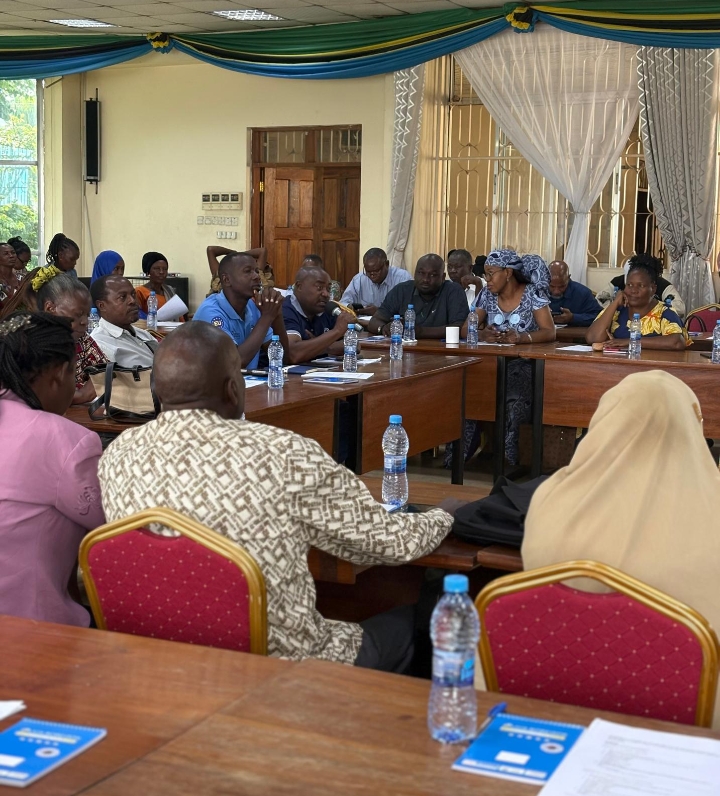
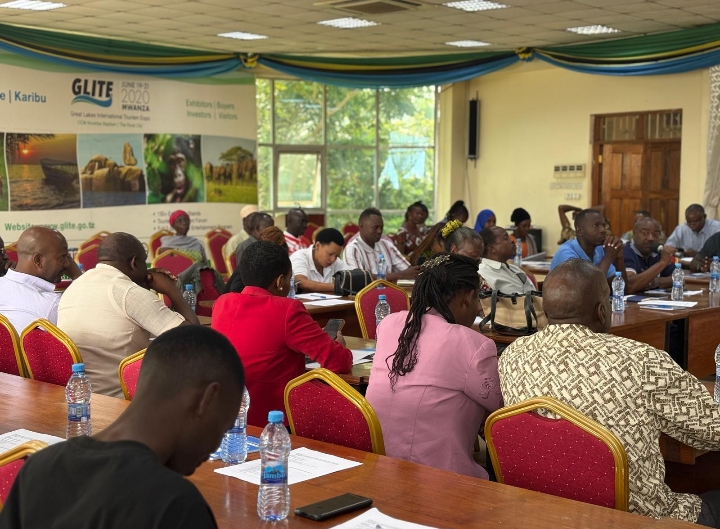
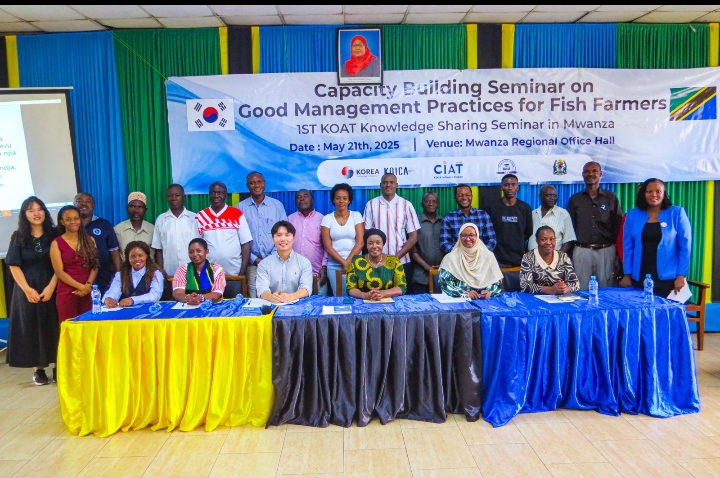
On Wednesday, May 21st, KOICA Tanzania Office and KOICA Alumni Tanzania (KOAT), in partnership with the Mwanza Regional Office, held the 2025 1st Knowledge Sharing Seminar focused on “Sustainable Aquaculture and Good Management Practices” in Mwanza City. The seminar brought together over 100 local fish farmers, including women and youth, to share practical skills and knowledge vital for developing a resilient aquaculture sector in Tanzania.
The event was held at the Mwanza Regional Commissioner’s office and attended by Mr. Hyunseo Han, Deputy Country Director of KOICA Tanzania, KOAT President Dr. Deman Yusuf, and regional officials, including Nyamagana District Commissioner Amina Makilagi.
The seminar was conducted through presentations and a Q&A session by students of the KOICA Master’s Degree Program in the Interdisciplinary Program of Marine and Fisheries Science and Convergent Technology. It offered practical insights into integrated aquaculture systems and sustainable fish farming techniques.
Mr. Han highlighted the transformative potential of integrated aquaculture systems, which combine fish farming with other sustainable practices to increase productivity, ensure environmental protection, and strengthen livelihoods. He emphasized the role of Good Management Practices such as responsible feeding, water quality maintenance, and biosecurity, especially in the face of climate change and market challenges.
KOAT President Dr. Yusuf appreciated the continuous collaboration under KOICA’s Capacity Improvement and Advancement for Tomorrow (CIAT) program, which made the seminar possible. In turn, local government leaders recognized KOICA’s efforts in modernizing the aquaculture industry, which employs over 46,000 people in Mwanza and is vital to the blue economy.
This activity reflects KOICA Tanzania Office’s continued commitment to building local capacity for sustainable development. As knowledge gained from CIAT trainings in Korea is shared locally, communities are empowered to transform traditional practices into modern, environmentally sound systems that promise long-term food security and income generation.
Each fish farmer trained in Mwanza represents a step toward a more resilient and sustainable aquaculture future in Tanzania.